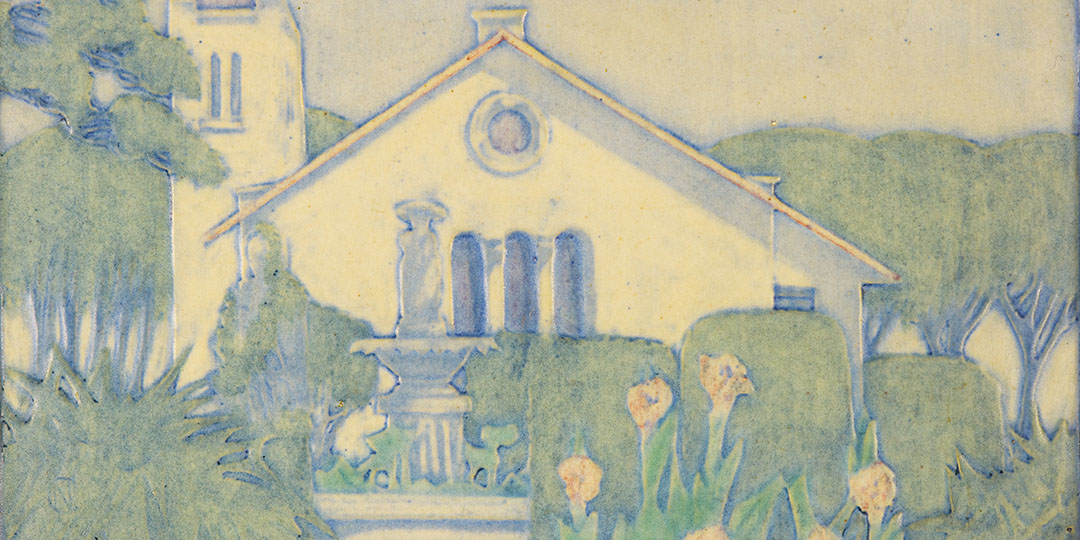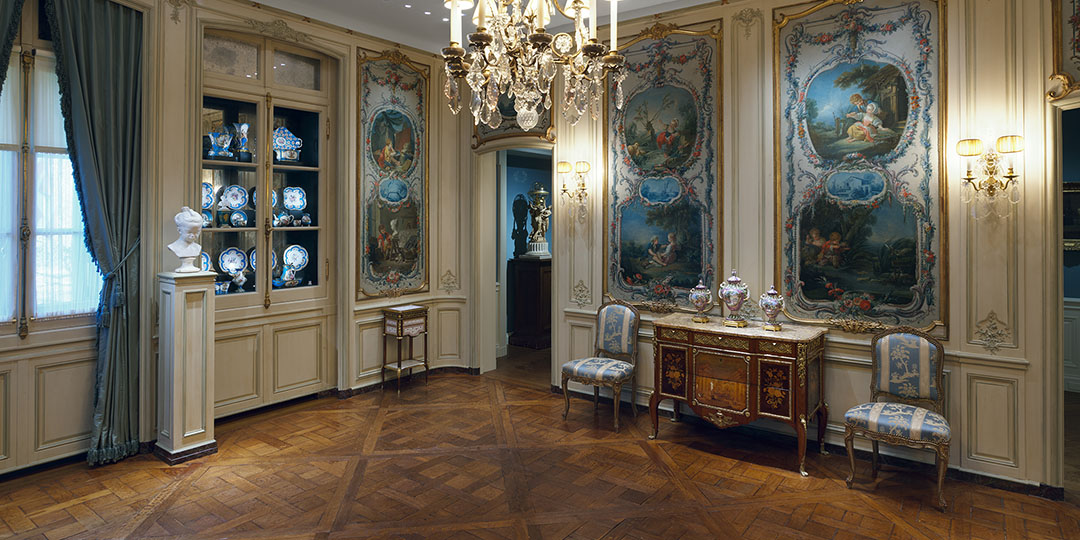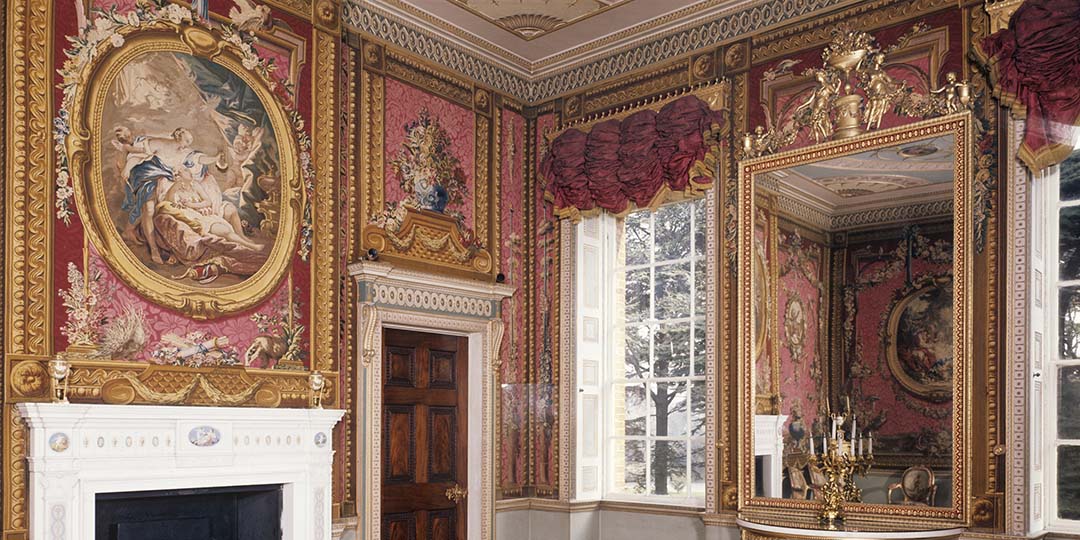
Time Travel in the Thames Valley: Ham House and Osterley Park
REVIEW: SPRING 2025 STUDY TRIP ABROAD
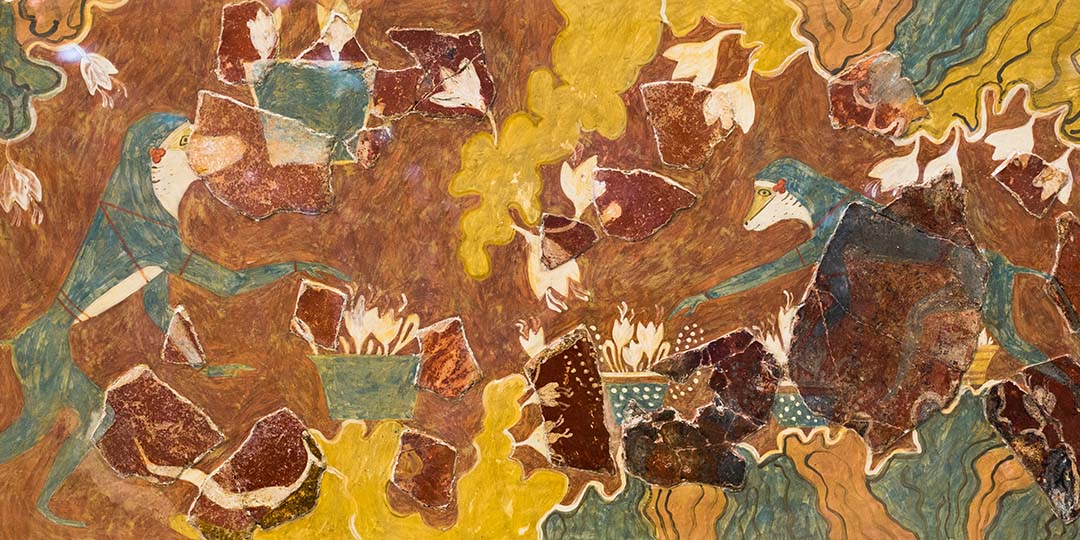
Vibrant Visions: The Frescoes of Knossos and Their Decorative Legacy
REVIEW: EARLY SPRING 2025 STUDY TRIP ABROAD
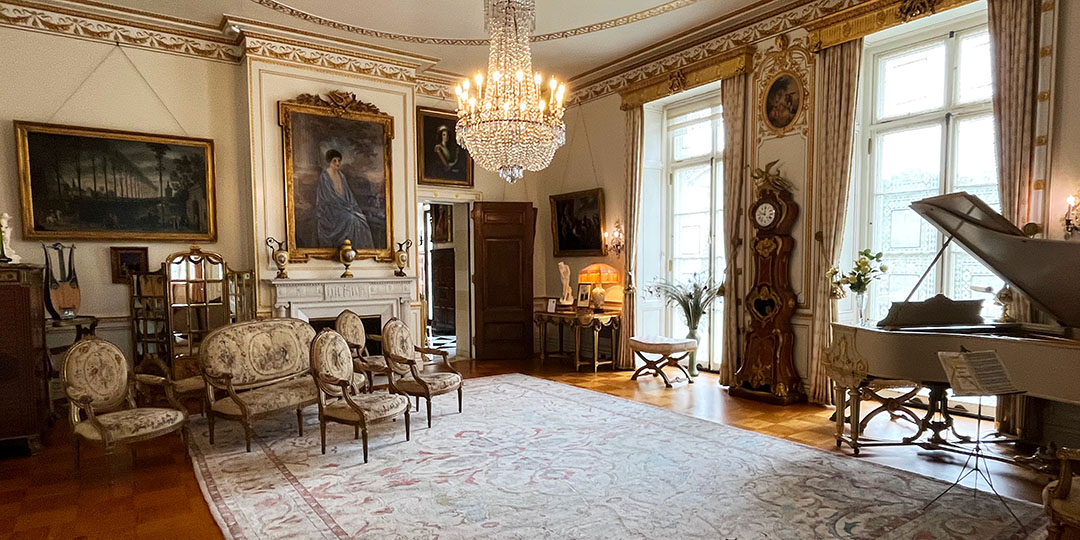
Making Music at Nemours: Alfred I. duPont’s Music Room at his Delaware Mansion
REVIEW: SPRING 2025 SYMPOSIUM
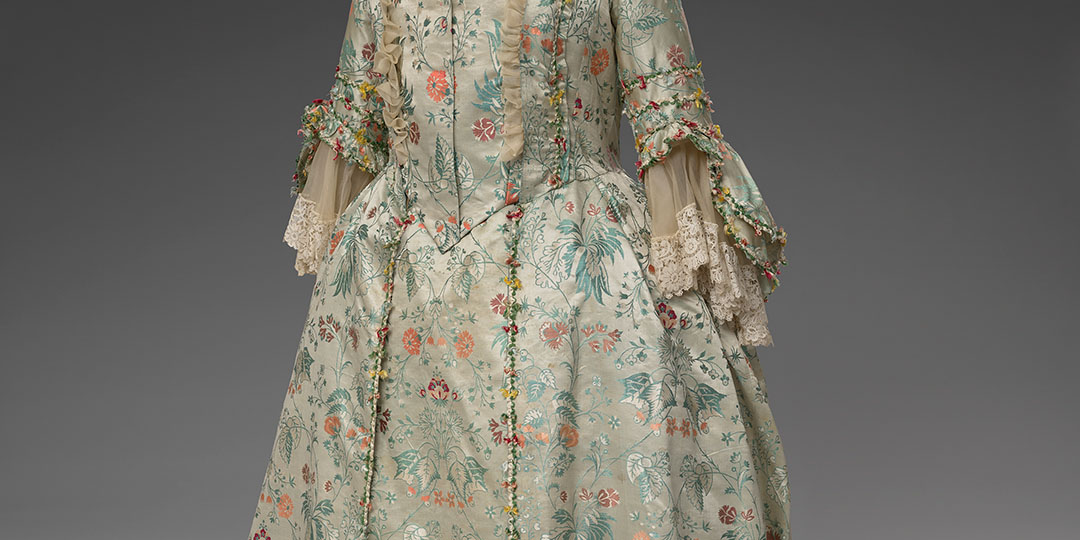
Whose Revolution at the Concord Museum
BY REED GOCHBERG
What did it feel like to live through a revolution? The Concord Museum’s new special exhibition, Whose Revolution, explores a pivotal moment in American history, when simmering tensions between the American colonies and Great Britain led to the outbreak of war.
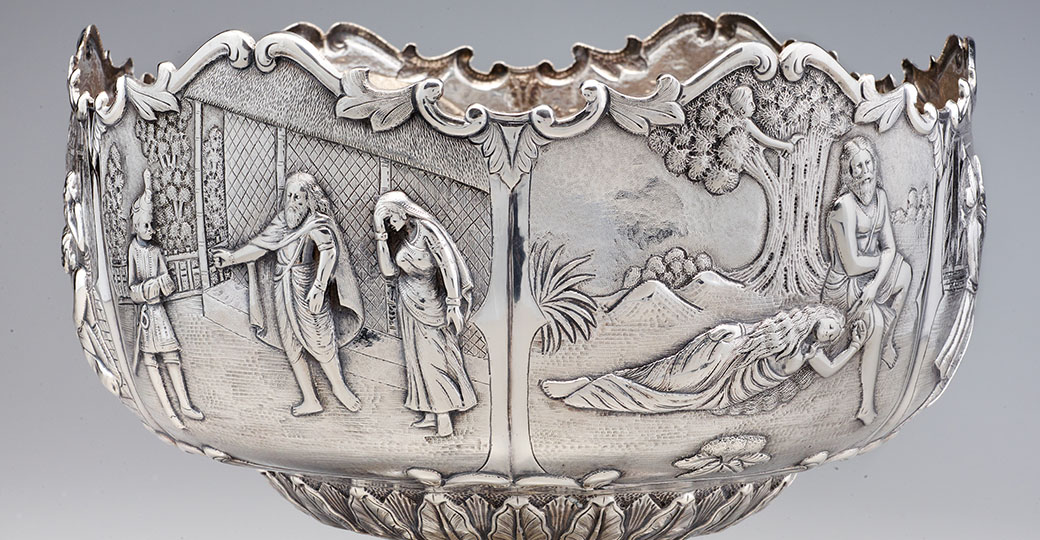
The Silvered Stories of 19th-Century Southern Asia
BY KATHERINE ANNE PAUL
Silver entered global markets at an accelerated rate in the 19th century, and the artistry of Southern Asian silversmiths played a major yet under-sung role in converting a once-rare material into items we now take for granted. The Harish K. Patel Collection at the Birmingham Museum of Art in Alabama provides a thorough record of this trend.
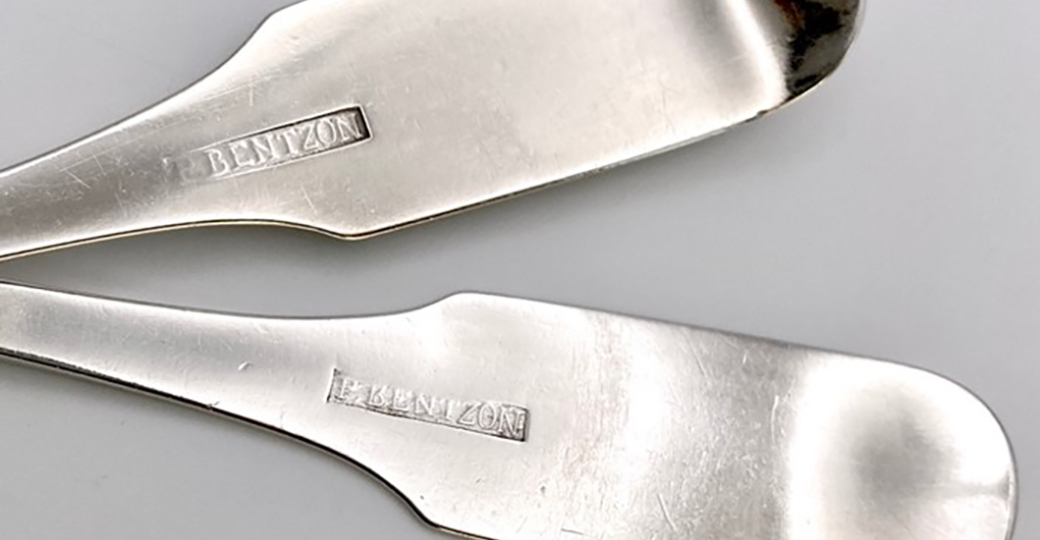
Fighting for Freedom: Black Craftspeople and the Pursuit of Independence
BY WILLIAM A. STROLLO
A collaborative exhibition between the Black Craftspeople Digital Archive and the Daughters of the American Revolution (DAR) Museum, Fighting for Freedom: Black Craftspeople and the Pursuit of Independence centers on the lives, experiences, trials, and triumphs of Black craftspeople, illuminating their journey towards autonomy and presenting inclusive vignettes into the American fight for freedom.
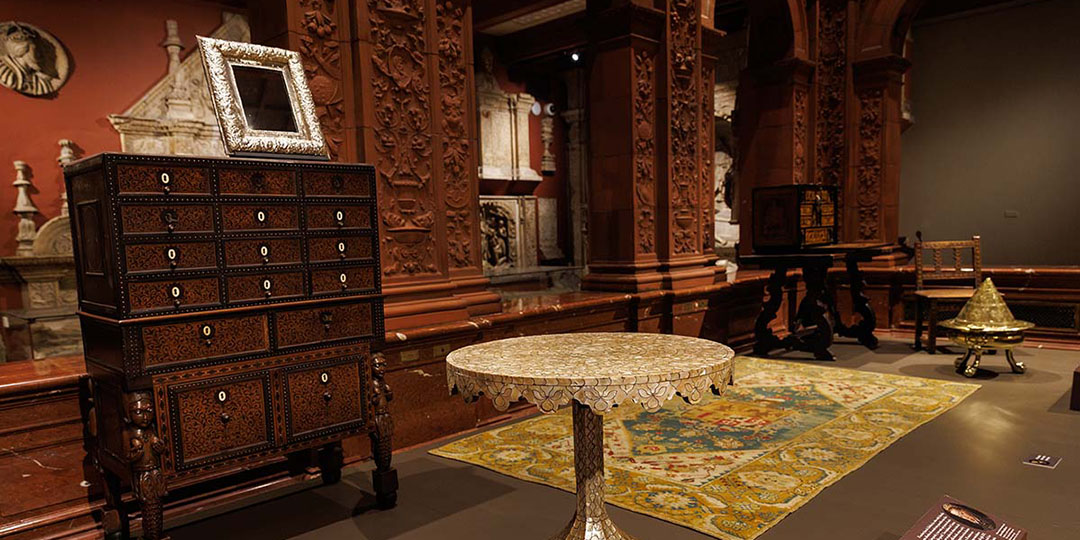
A Room of Her Own: New Book Explores the Estrado
BY ALEXANDRA FRANTISCHEK RODRIGUEZ-JACK
Made possible through a generous Publishing Grant from the Decorative Arts Trust, the book A Room of Her Own: The Estrado and the Hispanic World brings new scholarship to this overlooked subject. Accompanying a groundbreaking exhibition at the Hispanic Society Museum & Library in New York City, the book explores the estrado, a long-forgotten emblem of opulence and mystery, which once played a crucial role in the social and domestic lives of women in the Hispanic world.