






Functional Fashions: Designing for Disability with Shannon Rodgers and Jerry Silverman
by Natalie E. Wright
Walking into the Kent State University Museum or the attached School of Fashion Design and Merchandising, it is hard to miss the many references to Shannon Rodgers and Jerry Silverman—on a clock leading into the building, in the entryway, in the name of the School itself, and even in drawn and sculpted portraits. American fashion designer Shannon Rodgers (1911–96) grew up in Ohio, so when it came time for he and his partner Jerry Silverman (1910–84) to donate their collection of historic garments and decorative arts, they chose Kent State University. The two men did so with archival garments and papers from their own brand, Jerry Silverman, Inc., in addition to a substantial financial gift to underwrite the founding of the Museum and the expansion of the design school.
With the support of a Decorative Arts Trust Research Grant, I was able to visit the Kent State University Museum as well as the University’s Special Collections and Archives to research the clothing that Rodgers designed for disability under the Silverman brand from roughly 1964–73. The research that I undertook during the trip furnished the fourth chapter in my dissertation, “Functional Fashions: Dress and Disability in the United States, 1950–1975.” Rodgers was one of many designers who collaborated with the nonprofit Clothing Research and Development Foundation (CRDF) on the accessible clothing line “Functional Fashions.” These were garments that designers produced for their own collections with the help of experts at CRDF, and that included an extra Functional Fashions tag for disabled buyers to identify. Rodgers created at least 23 Functional Fashions in his Parisian-style silhouettes, and as the businessman of the brand, Silverman also sat on the CRDF board.
Extant Functional Fashions are exceedingly rare in part because the paper “hang tags” that identified the garments as accessible were ephemeral and therefore erased their original disability contexts. But a collection like Kent State’s provided a unique opportunity for me to see a Functional Fashions designer’s clothing archive and papers in tandem. Documentation that I gathered prior to this visit from a descendant of Virginia Connors, CRDF house model, indicated that the Museum held at least two pieces in its collection that she wore—one belted coat dress in a multicolored wool plaid and one worsted silk cocktail dress in apple green with rhinestone buttons (figures 1 and 2). I began the trip by examining these dresses with the help of Museum Curator and Professor Dr. Sara Hume.
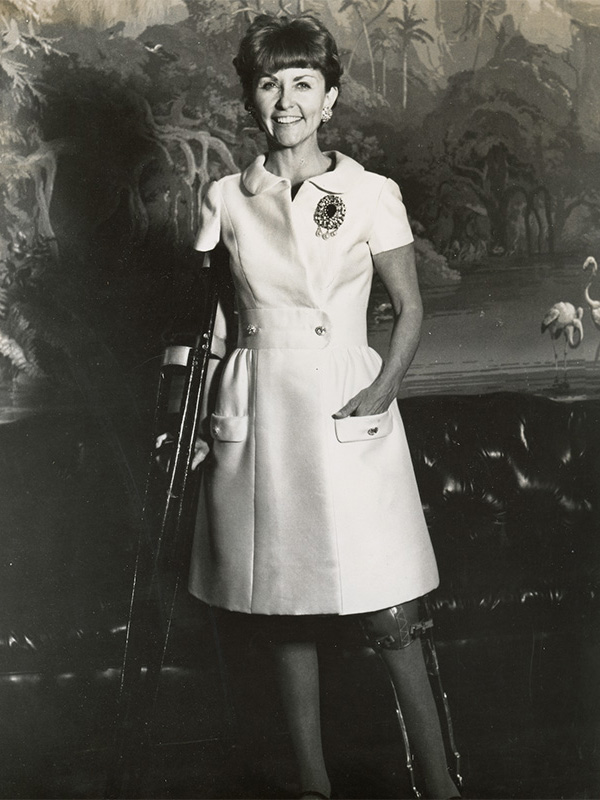
Figure 1. Marian Stephenson (photographer, 1896–1973) for the Clothing Research and Development Foundation, Virginia Connors (model, 1923–96) wearing Jerry Silverman, Inc., 1969. Image courtesy of Natalie Wright and Mary Joan Connors.
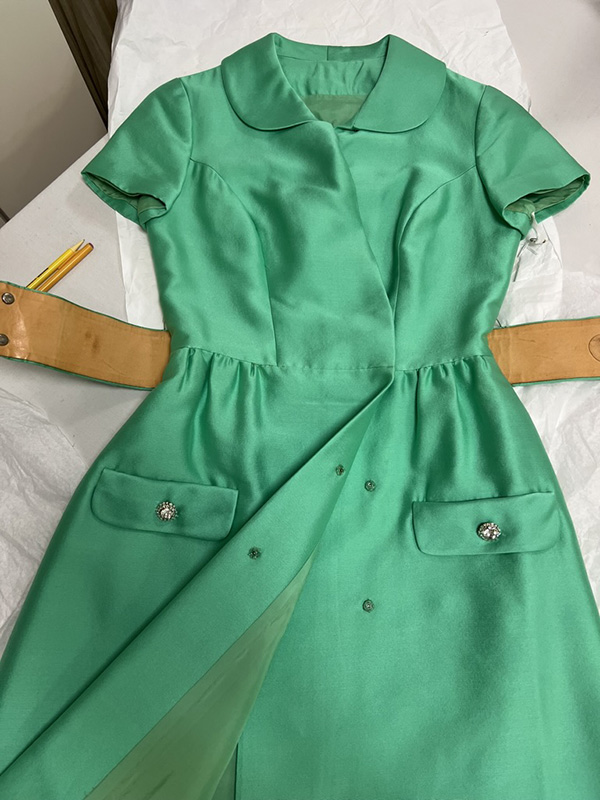
Figure 2. Shannon Rodgers (1911–96) for Jerry Silverman (1910–84), Dress (Detail), 1969, American. Silk and wool with rhinestones. Kent State University Museum, gift of Mrs. James Spearman, 1987.077.0002 ab. Photo by author.
Seeing the garments’ construction revealed how Rodgers used concealed snaps as his fastening of choice to maintain his desired shapes. Both dresses opened all the way down the front for easier dressing with multiple rows of snaps. However, the size of these snaps raises further questions. Although a CRDF press release for the plaid wool dress mentions extra-large snaps, which certainly would have been easier for anyone with impairments that affected their strength or dexterity, both dresses have small snaps for closures. Did Rodgers and other Functional Fashions designers create separate garments with accessible features like the bigger snaps, or were all the garments the same and simply marketed differently? This distinction remains obscured.
Time with the Rodgers and Silverman papers at Special Collections and Archives supplemented and enhanced my collections visits.1 Not only did the archives have articles on the Functional Fashions line that I had never seen before, but they also housed a huge amount of information about individual designs that I was researching. In some cases, I was able to match up my low-resolution reference images from sources such as newspaper scans to original photographs of garments to see them clearly for the very first time. Some of the photographs from Silverman fashion shows even had the associated fabric swatches in what were often surprising colorways (figures 3 and 4)—Rodgers’ favorite color was definitely green!
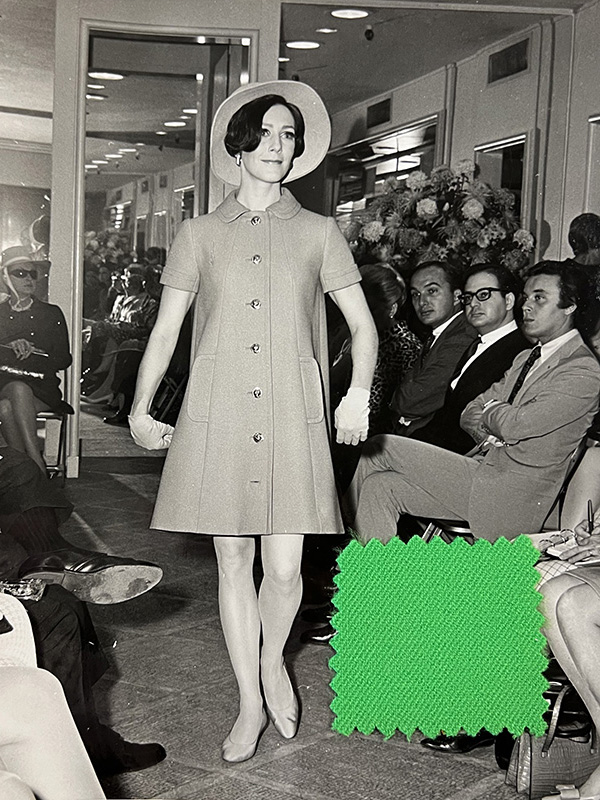
Figure 3. Shannon Rodgers and Jerry Silverman papers. Kent State University Libraries. Special Collections and Archives.
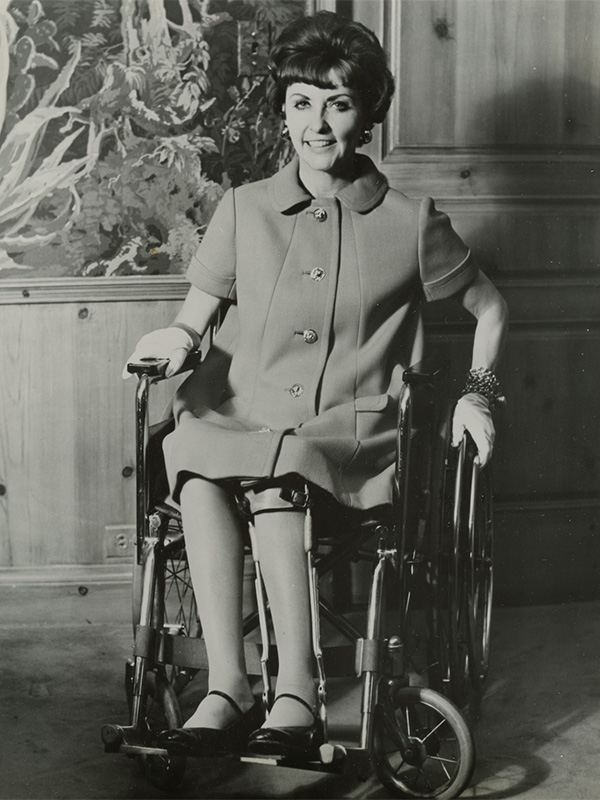
Figure 4. Marian Stephenson (photographer, 1896-1973) for the Clothing Research and Development Foundation, Virginia Connors (model, 1923-1996) wearing Jerry Silverman, Inc., 1967. Image courtesy of Natalie Wright and Mary Joan Connors.
One of the most helpful aspects of viewing these papers was coming away with a better understanding of how Silverman marketed the Functional Fashions to nondisabled customers. In many ways, these garments lived double lives with two different photoshoots, press releases, and even fashion shows—one for CRDF and the other for the designer’s primary clothing line. I had one side of the story (the former), and this trip helped to complete the other (the latter). Seeing the garments on a standing model, for example, was different to how they appeared on a model seated in a wheelchair. I also gained a much richer sense of the cultural impact that these designs made and how that might have shaped their meanings to disabled wearers. One was so popular that it appeared in the iconic Mary Worth comic strip, while another was part of a mid-air fashion show in partnership with Delta Airlines.
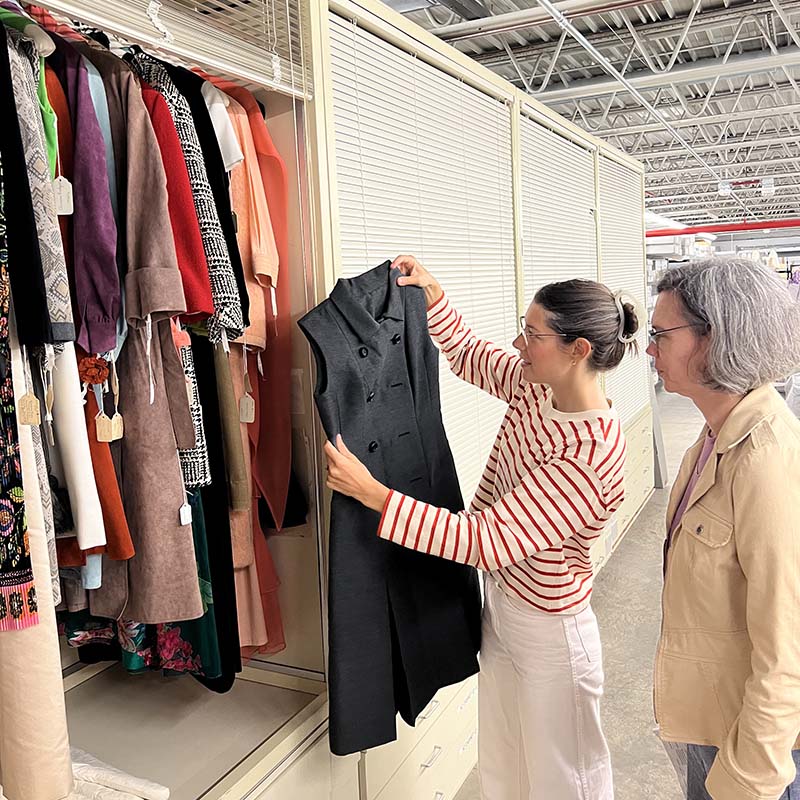
Figure 5. Natalie Wright (left) and Dr. Sara Hume (right) examining a 1966 Jerry Silverman, Inc. Functional Fashions dress from Wright’s own collection.
My time at the Kent State Museum also revealed two other extant Functional Fashions in its collection: one 1971 leopard print dress and one 1973 dress with vertical cord tucks and fabric-covered buttons down the front. Each garment that I locate brings me closer to my goal of reuniting the Functional Fashions line and assembling a CRDF archive. To date, I have identified roughly 195 Functional Fashions designs and located 7 of the garments themselves. These physical objects are precious not only for the material evidence that they provide, but also for their potential to be exhibited as conduits between new audiences and the disability histories they represent—just look to the Functional Fashions Levi’s® jeans currently on view in The Costume Institute’s spring 2026 exhibit “Costume Art” at The Metropolitan Museum of Art. I even brought a Functional Fashion of my own to Kent: a 1966 Jerry Silverman, Inc. dress that I found and purchased in 2022 based on two photographs in the University’s Special Collections and Archives (figure 5). This special moment and the exchanges that this trip facilitated will no doubt result in exciting future outcomes as more and more individuals and institutions help to enrich our understanding of this postwar project to make clothing both accessible and attractive.
1. I am especially indebted to Lori Boes for helping me to get through as much material as I did during my time on campus.
Natalie E. Wright is a PhD Candidate in Design History at the University of Wisconsin-Madison.
About The Decorative Arts Trust Bulletin
Formerly known as the "blog,” the Bulletin features new research and scholarship, travelogues, book reviews, and museum and gallery exhibitions. The Bulletin complements The Magazine of the Decorative Arts Trust, our biannual members publication.
Click Images to Enlarge
Did you know that clicking on the images in Bulletin posts will allow you to get a closer look? Simply click on an image, and a larger version will open in a pop-up window.