






Flaunting Red and Blue: Reframing the Nouvelles Indes Tapestries through Gobelins Dyestuffs
by Carole Nataf
The first chapter of my dissertation examines a royal Gobelins tapestry set known as the Nouvelles Indes (1737–41), designed by François Desportes and representing one of the most spectacular depictions of colonialism in eighteenth-century France. Although the Nouvelles Indes have traditionally been understood as expressing a new exotic taste at the French court, the chapter shows instead how this state-sponsored commission is tied to a much broader circum-Atlantic economic program led by Phillibert Orry, who first ordered their production. By attending to the unique materiality of the colors of the tapestries, I argue that the Nouvelles Indes embodied new ideals of commerce and manufacture while occluding the violent systems of exploitation on which they depended.
Drawing on archival research and close technical attention to the silk and wool threads of the weft, my research on the eight Nouvelles Indes tapestries demonstrates how their designs’ strategic display of vibrant reds and saturated blues (or “grand teint” dyes, the highest quality of dyes regulated by the state) worked to advertise France’s mastery of indigo and cochineal dyeing. Scholarship on Gobelins color has often framed these chromatic effects primarily in relation to European painterly traditions. By tracing the colonial entanglements of these colorful effects, and by foregrounding the contribution of previously marginalized actors, it becomes possible to tell a different story. Alongside the advanced chemical processes developed by professional scientists at the Royal Academy of Sciences, the success of the tapestries’ colorful designs relied on the tacit knowledge of Gobelins dyers and the appropriation of indigenous recipes and techniques for culling and transforming the indigo and cochineal pigments extracted from the Americas and West Africa.
By mining inventories from the Gobelins’ dye workshop, French newspaper advertisements, and artisanal manuals, I identified dyes (mainly cochineal and indigo) originating from the Americas, connecting the Gobelins Manufacture to a wider circum-Atlantic network of merchants and artisans. Drawing together the material flows of dyestuffs and the people who cultivated and transformed them, while also interpreting the meaning the colors accrued onto a finished artwork, is a fruitful method for recovering the previously overlooked labor and indigenous knowledge that underpinned the production of many early modern French artworks.
Reading the symbolic and material meaning of colors together, as both perceptual effects and technical achievements, allows for a recontextualization of the Gobelins within a wider circum-Atlantic economy of colors. It also allows us to understand how the dazzling intensity of tapestry dyes—many of which appear greatly diminished today—made visible the technological feat of producing vibrant and stable colors.
With the generous support of a Decorative Arts Trust Research Grant, I traveled to Paris to conduct archival research on the Nouvelles Indes and on weaving and dying processes at the Gobelins Royal Manufactory. Although most 18th-century Gobelins archives are now held at the Archives Nationales (Maison du roi, série O1), the centre de documentation of the Mobilier National preserves several unique documents that proved crucial to my project. I also visited the conservation studio at the Mobilier National where a tapestry from the Nouvelles Indes series known as the Pêcheurs Indiens (figures 1 and 2), designed by François Desportes, and a tapestry from the set known as the Anciennes Indes known as La Reine portée, designed by Albert Eckhout, were undergoing restoration.

Figure 1. François Desportes (designer), Jacques Neilson (workshop), 𝘓𝘦𝘴 𝘱𝘦̂𝘤𝘩𝘦𝘶𝘳𝘴 𝘪𝘯𝘥𝘪𝘦𝘯𝘴, from 𝘛𝘦𝘯𝘵𝘶𝘳𝘦 𝘥𝘦𝘴 𝘕𝘰𝘶𝘷𝘦𝘭𝘭𝘦𝘴 𝘐𝘯𝘥𝘦𝘴, Gobelins Royal Manufactory, 1741 (designed), c.1765 (woven), woven silk and wool, 410 x 470 cm, Mobilier national, Paris, GMTT-190-002. Photo © Lawrence Perquis.
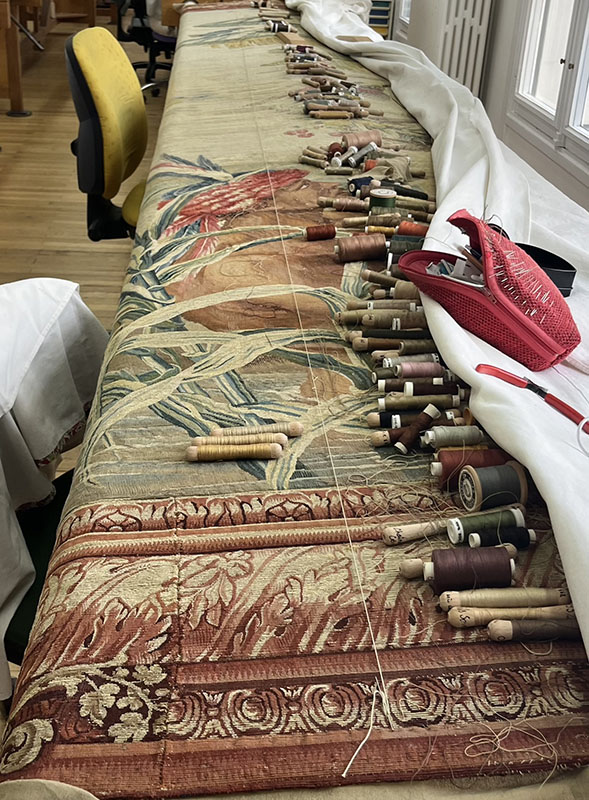
Figure 2. François Desportes (designer), Gobelins Royal Manufacture (weavers), 𝘓𝘦𝘴 𝘱𝘦̂𝘤𝘩𝘦𝘶𝘳𝘴 𝘐𝘯𝘥𝘪𝘦𝘯𝘴, c. 1737, from the 𝘛𝘦𝘯𝘵𝘶𝘳𝘦 𝘥𝘦𝘴 𝘕𝘰𝘶𝘷𝘦𝘭𝘭𝘦𝘴 𝘐𝘯𝘥𝘦𝘴, Manufacture des Gobelins, Paris. Photo by author.
Observing the process of conservation and speaking with textile conservators sharpened my understanding of the tapestries’ original chromatic effect. This rare opportunity for sustained looking helped me learn how to distinguish silk from wool in the weft and to identify the intended visual effects produced by varying textures, weave density, and reflective qualities (figure 3). With conservators’ guidance, I was able to confirm likely zones of cochineal and indigo use and to better understand conventional material choices within Gobelins practice—for example, the tendency to use wool for the matte finish of flesh tones and to introduce silk more extensively in skies to heighten luminosity. In the literature on the Gobelins, I had not encountered information about the weavers’ strategy to distribute matte wool areas and shiny silk highlights. While scholarship of the period has traditionally assumed that artistic agency resided primarily with the painter—Jean-Baptiste Oudry, then artistic director of the Gobelins—attention to the distribution of silk and wool in the weft reveals the distinct creative choices of the weavers.
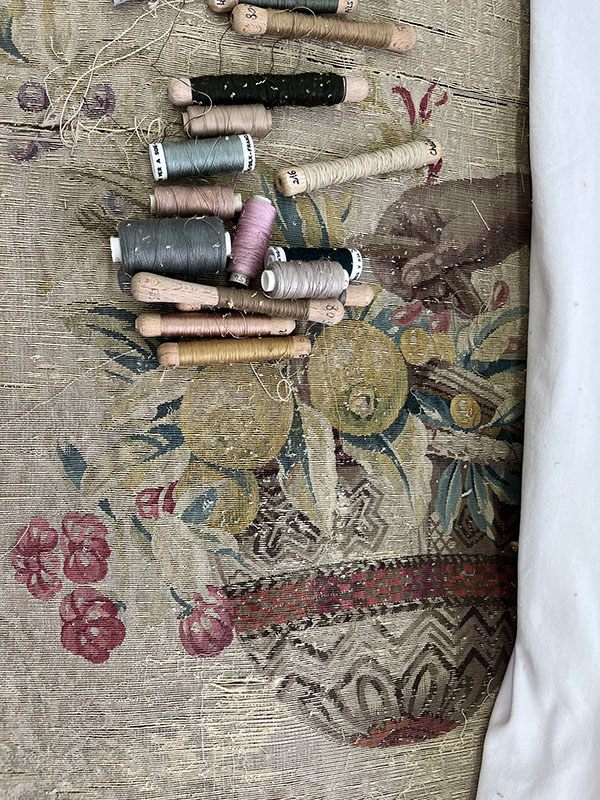
Figure 3. Detail of 𝘓𝘦𝘴 𝘱𝘦̂𝘤𝘩𝘦𝘶𝘳𝘴 𝘐𝘯𝘥𝘪𝘦𝘯𝘴, from the 𝘛𝘦𝘯𝘵𝘶𝘳𝘦 𝘥𝘦𝘴 𝘕𝘰𝘶𝘷𝘦𝘭𝘭𝘦𝘴 𝘐𝘯𝘥𝘦𝘴. Photo by author.
I also had an opportunity to examine closely a 1742 album containing 189 iterations of cochineal dying experiments, with various proportions of cochineal red, madder, and mordant (figure 4). The album shows compelling evidence that the Gobelins’ atelier des teintures was attempting to develop the tonal and chromatic range of cochineal reds with the support of the Académie des sciences. Each experiment intermixes cochineal red with other elements such as madder red. An inventory ordered by Jules-Hardouin Mansard in 1699 of the utensils found at the Manufacture des Gobelins also provided further evidence of the Manufactory’s use and storing of cochineal and indigo pigments.

Figure 4. Album de teintures, 1742, Gobelins Manufactory, Archives Mobilier National. Photo by author.
As I continue investigating the colonial entanglements of the Nouvelles Indes, I am extending this research to explore the patronage and reception of the set—who owned these tapestries, and the site-specific interiors they adorned.1 I am writing a short piece, for example, on the Duc de Noailles, one of France’s highest-ranking nobles, who acquired four Nouvelles Indes tapestries in 1768, the same year King Louis XV granted him a land concession to establish a sugar or indigo plantation in the French colony of Saint-Domingue (present-day Haiti). Tracing these entanglements between French colonial networks and institutions like the Gobelins reshapes how we understand artworks like the Nouvelles Indes, not as naïve expressions of exotic taste but as structurally linked to France’s colonial history.
1. Carole Nataf, “Land and Loom: Louis de Noailles’ Nouvelles Indes Tapestries,” Colonial Networks (February 2026), https://www.colonialnetworks.org/?p=941.
Carole Nataf recently received her PhD from the Courtauld Institute of Art.
About The Decorative Arts Trust Bulletin
Formerly known as the "blog,” the Bulletin features new research and scholarship, travelogues, book reviews, and museum and gallery exhibitions. The Bulletin complements The Magazine of the Decorative Arts Trust, our biannual members publication.
Click Images to Enlarge
Did you know that clicking on the images in Bulletin posts will allow you to get a closer look? Simply click on an image, and a larger version will open in a pop-up window.