






Radio Design, Advertising, and Art in the 1940s
by Joe Semkiu
With support from a Decorative Arts Trust Research Grant, I visited three Indiana archives tied to my dissertation research on radio design: the David Owsley Museum of Art at Ball State University in Muncie, the Allen County-Fort Wayne History Center, and the Fort Wayne Museum of Art (FWMA). My dissertation examines intersections between radio broadcast and American art during the 1940s, when the medium reached an apogee delivering top programming and war news to millions of American households. These Indiana-based collections produced exciting discoveries.
The Farnsworth Television and Radio Corporation, once based in Fort Wayne, sold radios through commissioned advertising artworks. William Gropper’s Defiance (1942–43, figure 1) at the Owsley was commissioned by advertiser N.W. Ayer for Farnsworth. Gropper depicts a proletariat fighting Axis bombers, pitchfork aloft to swipe at these nocturnal invaders. He depicts Shostakovich’s Symphony No. 7, composed during the Siege of Leningrad. Gropper’s choice of vibrant colors, his coarse handling of paint, and the period frame from the New York maker Heydenryk elevate Defiance potency above a mere image reproduced in a Life magazine ad. Knowing the painting’s backstory—that the symphony was first performed by the remaining, war-torn members of the Leningrad Radio Orchestra on August 9, 1942, and blasted via loudspeaker as an aural act of defiance against Nazi bombers—made seeing the work even more moving.
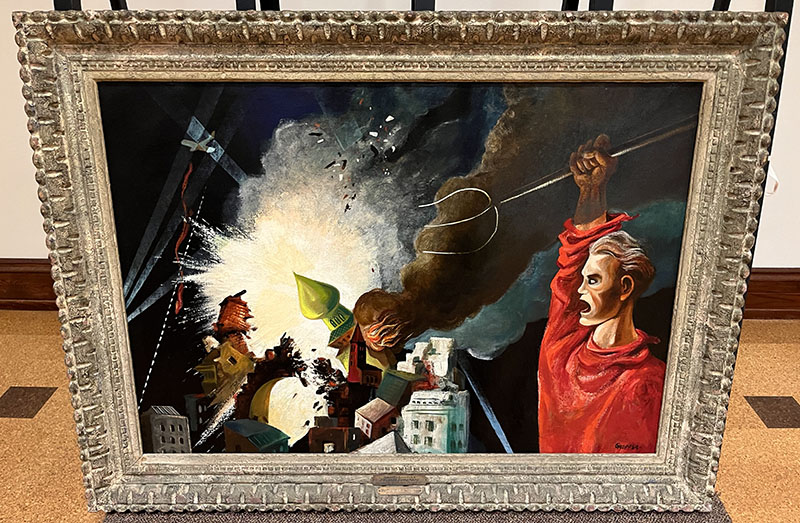
Figure 1. William Gropper, 𝘋𝘦𝘧𝘪𝘢𝘯𝘤𝘦, 1942–43, created in the United States. Oil on canvas. David Owsley Museum of Art at Ball State University, Gift of David T. Owsley via the Alconda-Owsley Foundation, 2017.011.000. Photo by author.
At the FWMA, I examined Julio De Diego’s Fantastic Symphony (Symphonie Fantastique) (1945, figure 2). Like Gropper’s Defiance, this painting was once part of the collection of Philo Farnsworth’s Capehart Corporation, a radio manufacturer. De Diego captures the eerie moodiness of the final movement of Hector Berlioz’s 1830 symphony, where the listener-protagonist becomes encircled and overpowered by ghosts at a nocturnal witches’ sabbath. It is tempting to consider the painting as speaking to the confrontation of evil, as the world conquered the Axis powers. De Diego adapts Berlioz’s piece through strident color and extremely flat paint, making the image stand out sharply on the magazine page. Seeing these paintings in succession afforded me the opportunity to consider their place as décor within the Farnsworth headquarters as well as representative of Associated American Artists, to which both artists belonged, to bring art “from studio to doorstep—wherever you are.”
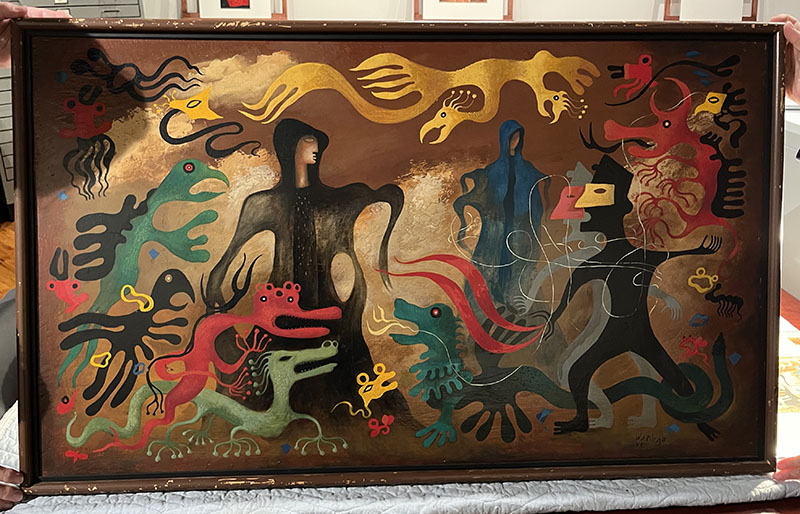
Figure 2. Julio De Diego, 𝘍𝘢𝘯𝘵𝘢𝘴𝘵𝘪𝘤 𝘚𝘺𝘮𝘱𝘩𝘰𝘯𝘺 (𝘚𝘺𝘮𝘱𝘩𝘰𝘯𝘪𝘦 𝘍𝘢𝘯𝘵𝘢𝘴𝘵𝘪𝘲𝘶𝘦), 1945, created in the United States. Oil on board. Fort Wayne Museum of Art, Gift from the Farnsworth Corporation, 1956.02. Photo by author.
I aimed to determine the process by which plastic radio chassis started to subsume wooden chassis, in terms of materiality, aesthetics, and design. At the History Center, I saw two Farnsworth-produced radio chassis, one wooden (figure 3) and one plastic (figure 4), together demonstrating the dominant decorative styles for 1940s radio design. The plastic model, made likely of brown Bakelite, shimmered with its sleek ovoid form. The radio showcased the material’s adaptability to encase radio parts. Plastic seemingly molded to the designer’s whim, while reducing costs for mass production. Plastic denoted new, somewhat futuristic, effortless design, replacing heavier, bulkier wooden chassis. Seeing these examples in nearby displays helped me understand the variety of choices Americans possessed as they saw new radios in store windows and in magazines after wartime deprivations. Radio connected households, serving as a sonic “hearth” that families and listeners gathered around, whether a radio-phonograph console or tabletop model.
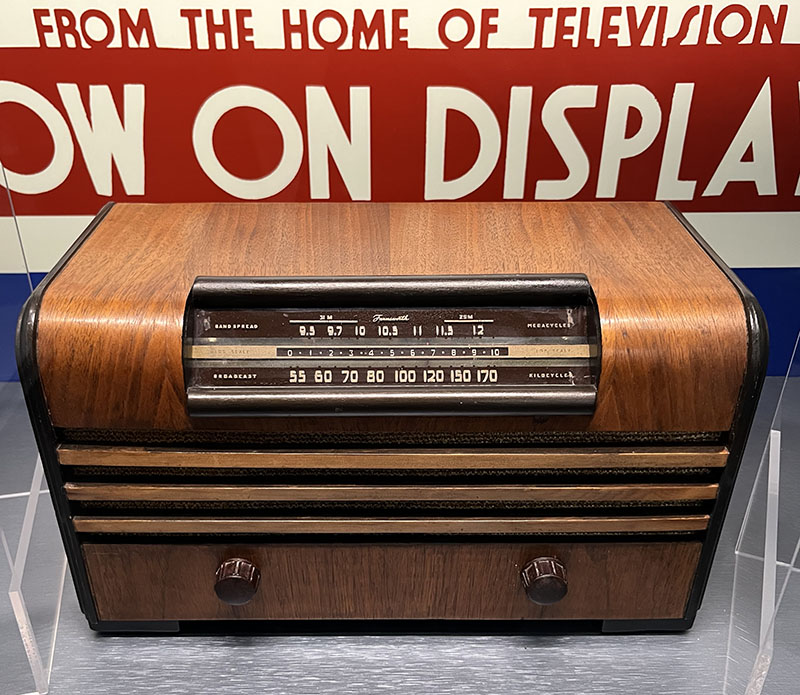
Figure 3. Farnsworth Radio & Television Corporation, Radio, model CT-64, 1941, Fort Wayne, IN. Wood. Allen County-Fort Wayne Historical Society. Gift of an anonymous donor, 2010.18. Photo by author.
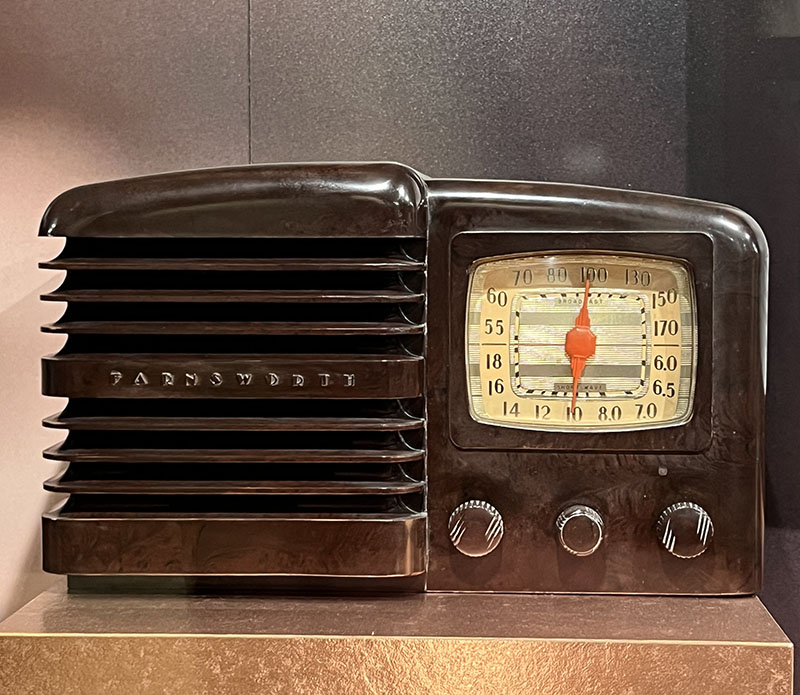
Figure 4. Farnsworth Radio & Television Corporation, Radio, model BT-20, 1940, Fort Wayne, IN. Likely Bakelite plastic. Allen County-Fort Wayne Historical Society. Gift of an anonymous donor, 2010.18 Photo by author.
Also at the History Center, I perused Farnsworth’s patents for radio parts: tuners, oscillators, and vacuum tubes. The detail these patents described surprised me, as they established how radio designs depended on the material of various internal, metal parts. The patents showed how Farnsworth and his team strove to better the functionality and efficiency of their products. Radio—not merely an aural broadcast—necessitated proper design for both chassis and internal mechanisms. Farnsworth’s radios delivered both, while commissioning art to help sell their products once they became available after the war.
During my successful trip to Indiana, I learned so much about the significance of radio production to the state; gained insight from the helpful curators, registrars, and collections managers at these institutions; and completed the essential archival work and object examinations. I am grateful to the Decorative Arts Trust for supporting my research as I work to complete my dissertation.
Joseph Semkiu is a Big Ten Academic Alliance/Smithsonian Institution Predoctoral Fellow at the Smithsonian American Art Museum and is a PhD student in the Department of Art History at the University of Southern California.
About The Decorative Arts Trust Bulletin
Formerly known as the "blog,” the Bulletin features new research and scholarship, travelogues, book reviews, and museum and gallery exhibitions. The Bulletin complements The Magazine of the Decorative Arts Trust, our biannual members publication.
Click Images to Enlarge
Did you know that clicking on the images in Bulletin posts will allow you to get a closer look? Simply click on an image, and a larger version will open in a pop-up window.