Africaneries, or, Stylistic Dismemberment
In-person and online options
Anne Lafont, art historian and professor at École des hautes études en sciences sociales in Paris (EHESS)
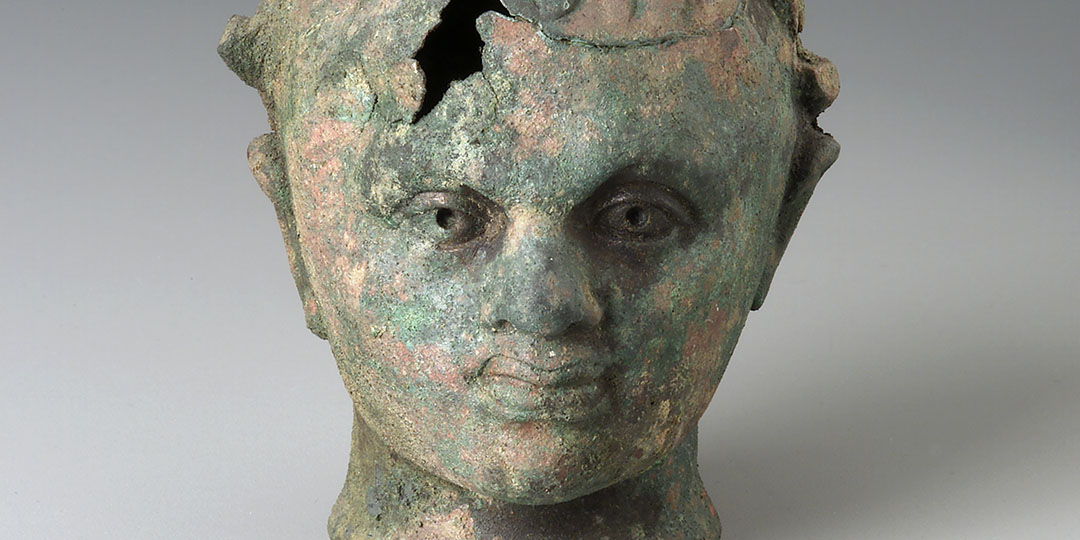
The European Enlightenment invented a new exoticism from within the Rococo tradition. Informed by the craftsmanship, lines, and colors of the Far East, European artisans appropriated motifs, imitated them, and revived them in contexts of refined metropolitan luxury. A geography of taste thus emerged—one might even speak of a qualitative hierarchy of stylistic skills operating at the peripheries of European empires, which served as major suppliers of materials and decorative schemes for the applied arts in eighteenth-century Delft, Meissen, London, and Paris. At the heart of this cultural economy of sophisticated objects, one motif stands out: miniaturized and, in most cases, objectified Black figures. These are what I propose to call Africaneries—artworks whose cultural roots and formal qualities dissolved in the wake of the transatlantic slave trade, which accelerated the social and cultural death of Africans.
Pictured: Scroll of a viola da gamba, late 18th century, Italy (Paris: Musée de la musique, D.AD.23470).
Additional Details
Institution or Organization name - The Institute of Fine Arts, NYU